Removals Wimbledon Broadway SW19 tips for smooth moves
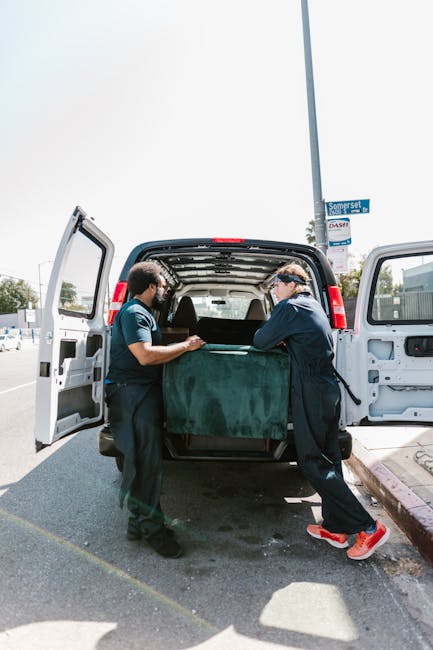
If you are planning a move around Wimbledon Broadway in SW19, you already know it is rarely as simple as loading a few boxes and driving off. There are tight time windows, awkward parking, stairs that seem to get steeper on moving day, and the general chaos of trying to keep life moving while the kettle, mattress, and paperwork all need different things at once. This guide to Removals Wimbledon Broadway SW19 tips for smooth moves is here to make the whole process feel calmer, more organised, and a lot less frantic. Whether you are moving a flat, a family home, or a small office, the right approach can save time, reduce breakages, and make the day feel properly under control.
Below you will find a practical, local-minded walkthrough: what makes moves in this part of Wimbledon a bit different, how the process usually works, the benefits of planning properly, where people go wrong, and what to do if you need storage or packing support along the way. Simple enough. But not simplistic.
Why Removals Wimbledon Broadway SW19 tips for smooth moves Matters
A move in Wimbledon Broadway is not just a logistics exercise. It is a timing exercise, a packing exercise, and, let's face it, a patience exercise too. The Broadway area is busy, and moves there often need a bit more thought than a standard suburban house-to-house relocation. Access can be awkward, lifts may be small, and loading space is rarely generous. If you leave everything to the last minute, the day can unravel fast.
That is why local removals advice matters. The right plan helps you protect furniture, reduce stress, and avoid avoidable delays. It also helps you choose the right service level. Some households only need a man and van for a light move. Others need a full team for a larger property, especially if they are using house removals support or combining the move with removals and storage. Different moves. Different pressures.
To be fair, most moving problems are not dramatic disasters. They are small, cumulative things: a missing box label, a sofa that does not fit through the door, a parking plan that was never really a plan. Get the details right and the whole day feels much lighter.
Expert summary: Smooth removals in Wimbledon Broadway SW19 usually come down to three things: early planning, clear access arrangements, and packing that is sensible rather than heroic.
How Removals Wimbledon Broadway SW19 tips for smooth moves Works
A smooth move is usually a chain of simple decisions made in the right order. First, you assess what is moving and what is not. Then you decide whether you need packing help, storage, dismantling support, or just transport. After that, you confirm timings, access, and what will be loaded first. It sounds basic because it is basic. The trick is doing each step in time, before moving day starts breathing down your neck.
For many people, the process begins with a quote request. If you need a better sense of likely cost or service fit, the pricing and quotes page is a useful place to start. Once you know what kind of move you are dealing with, you can add support as needed. For example, a small flat move may only need small removals, while a busy household might benefit from packing services so that fragile items are wrapped properly and nothing is left to chance.
The practical flow often looks like this:
- Survey the property and list items room by room.
- Decide what is moving, storing, selling, recycling, or staying behind.
- Book the right removal support for the volume and access.
- Pack non-essentials first, then everyday items last.
- Label boxes clearly by room and priority.
- Prepare access details, keys, parking, and arrival times.
- Load methodically and keep essentials separate.
- Unpack in stages, not all at once, because nobody needs that kind of excitement.
If part of the move involves short-term holding, a short-term storage solution can make everything easier. And if you are between homes for a while, self storage or secure storage can give you breathing room without cluttering the new place on day one.
Key Benefits and Practical Advantages
The obvious benefit of good removal planning is that moving day feels less stressful. The less obvious one is that it often saves money, even if you are not thinking in those terms at the outset. Efficient packing, smarter scheduling, and clearer access instructions reduce wasted time. That matters when the van is waiting and everyone is carrying something down a narrow stairwell.
Here are the real-world advantages people tend to notice most:
- Fewer breakages: Proper wrapping, box selection, and furniture protection make a huge difference.
- Better time control: A well-prepared move is faster from the first box to the final chair.
- Less physical strain: Good lifting, clear pathways, and sensible handling reduce the risk of injury.
- Cleaner unpacking: Labelled boxes help you find essentials without tearing through every room.
- Better use of storage: If you need temporary space, the right storage service keeps items accessible and safe.
There is also a psychological benefit, and it is not small. A move feels much less overwhelming when each part has a purpose. You know where the kettle is. You know where the documents are. You know the mirror is wrapped, not just "somewhere safe", which usually means under a blanket next to a radiator. We have all seen that kind of optimism.
For business moves, the payoff can be even more practical. If you are relocating a small team or filing system, services like office removals and document storage can keep operations moving while the physical relocation happens in stages.
Who This Is For and When It Makes Sense
This approach is useful for almost anyone moving in or around Wimbledon Broadway SW19, but it is especially helpful in a few common situations. If any of these sound familiar, you are the kind of reader this guide was written for.
- Flat movers: If you are dealing with stairs, lifts, shared entrances, or limited parking, a plan matters more than ever. Flat removals often need tighter coordination than people expect.
- Households with full rooms of furniture: Larger homes need sequencing, protection, and often more than one vehicle trip.
- Students and young professionals: Quick turnaround, smaller loads, and time pressure often point towards student storage or compact moving support.
- Business owners: Office keys, IT equipment, client records, and downtime all raise the stakes a bit.
- People between properties: If completion dates do not line up, storage becomes the practical bridge rather than a backup plan.
Sometimes the right answer is not a full-scale move in one go. A smaller vehicle, a partial load, or temporary storage can be the calmer option. If you only have a few bulky items, small removals might be the most sensible fit. If furniture is the main issue, furniture storage can keep sofas, beds, and wardrobes out of the way until you are ready for them.
Step-by-Step Guidance
If you want a move to feel controlled rather than chaotic, work through it in stages. Not glamorous. Very effective.
1. Start with a full room-by-room sort
Go room by room and decide what is staying, going, selling, donating, recycling, or being stored. This is where most people underestimate how much they own. Drawers are sneaky. Cupboards are sneaky too.
2. Book the right type of removal support
Match the service to the job. A light move may need a van and one or two helpers. A full house may need a more structured team. If you are unsure, compare your options against removals and local removals so you can choose a format that suits the size and access of the property.
3. Pack by category, not by random enthusiasm
Pack similar things together. Books with books. Kitchen items with kitchen items. Keep cables, chargers, and remote controls in clearly marked bags. If you are moving fragile items, cushioning matters more than filling space. A box should not sound like a drum when you lift it.
4. Label clearly and consistently
Use labels that tell you three things: the room, the contents, and whether the box needs to be opened first. For example, "Kitchen - mugs and plates - priority". That level of clarity saves real time later.
5. Prepare access and parking in advance
Check where the vehicle can stop, where items will be carried from, and whether there are any restrictions that could slow the loading process. If there is a shared entrance or narrow street access, tell the removal team early. People always mean to mention it. Then moving day arrives, and suddenly the detail feels urgent.
6. Keep essentials separate
Set aside a bag or box for documents, medication, chargers, snacks, tea, toiletries, and a change of clothes. Keep it with you. Do not let it disappear into the van under three lamps and a box marked "misc".
7. Use storage if the timing does not line up
Sometimes the right move is a partial move. If your new place is not ready, or you need time to decorate before the furniture arrives, mobile self storage or short-term storage can bridge the gap neatly.
Expert Tips for Better Results
Here are the little things that often make the biggest difference. These are not flashy. They are just the habits that keep moves on track.
- Take photos of cable setups before unplugging anything. Future-you will be grateful, honestly.
- Use uniform box sizes for easier stacking, but do not overfill them. Heavy boxes become awkward very quickly.
- Wrap furniture at the right points such as corners, table legs, mirrors, and drawer fronts.
- Disassemble only what needs disassembling. Over-dismantling creates lost screws and unnecessary stress.
- Pack a "first night" kit with bedding, toilet rolls, kettle items, and basic kitchen bits.
- Leave a clear path from every room to the exit. It sounds obvious. It still gets missed all the time.
If you are moving delicate, expensive, or high-value items, ask about coverage and handling expectations before the day arrives. A trusted provider should be able to explain how items are protected and transported, and you should feel comfortable with that explanation. For extra peace of mind, review insurance and safety information before you commit.
One small practical tip that gets overlooked: label the destination room on more than one side of the box. During unloading, boxes get turned around. A lot. Apparently boxes enjoy this.
Common Mistakes to Avoid
Most moving mishaps are preventable. The good news is you do not need specialist knowledge to avoid them, just a steady hand and a bit of honesty about time.
- Underestimating the volume: People often think "it is only a one-bed flat" and then discover three wardrobes worth of belongings.
- Poor labelling: If every box says "misc", every box becomes a mystery later.
- Leaving packing to the final evening: This is where breakages, missing items, and frazzled nerves begin.
- Forgetting access details: Lift size, stair width, parking, and entry codes all matter.
- Mixing essentials with everything else: Your documents and chargers should not be buried under winter coats.
- Ignoring storage as an option: Sometimes the smoothest move is not the fastest one; it is the one that gives you room to breathe.
Another classic mistake is assuming every removal is the same. A family house move, a compact studio move, and an office relocation all need different handling. If you are shifting business equipment, business storage or office storage may be more useful than trying to squeeze everything into one long day.
Tools, Resources and Recommendations
You do not need a van-load of fancy equipment to move well, but a few basic tools make life much easier. The useful items are usually the boring ones.
- Strong tape and dispenser: Weak tape is a false economy.
- Permanent markers: Clear labels beat guessing every time.
- Bubble wrap or paper cushioning: Use it for glass, frames, and anything fragile.
- Furniture blankets and straps: Helpful for protecting surfaces and securing larger pieces.
- Tools for dismantling: Keep screwdrivers, Allen keys, and spare bags for fixings in one place.
- Inventory list: A simple note on your phone or paper checklist can stop items slipping through the cracks.
If you are comparing moving and storage combinations, the most practical pages to review are removals and storage, self storage, and secure storage. Together, they help you decide whether to move everything at once or stage the process in a more manageable way.
For service standards and customer trust, it is also sensible to look at company background and policies before booking. That includes about us, terms and conditions, and payment and security. It is not glamorous reading, but it is the kind of reading that prevents awkward surprises later.
Law, Compliance, Standards, and Best Practice
For most domestic moves, the main concerns are practical rather than legal, but best practice still matters. Removal teams should handle goods carefully, communicate clearly, and work in a way that reduces the risk of damage or injury. If you are moving into or out of flats, common parts and shared access areas should be treated respectfully. That includes keeping routes clear and avoiding unnecessary obstruction.
For businesses, the expectations rise a little. Sensitive records, IT equipment, and confidential material should be handled with care, and any storage arrangement should align with your own internal responsibilities. If you need to store files or records, document storage is often a more sensible option than piling boxes into a back room and hoping for the best.
There are also general safety points worth keeping in mind:
- Use proper lifting technique and ask for help with awkward items.
- Keep walkways clear to reduce trip hazards.
- Secure loose items in transit so they cannot shift unexpectedly.
- Make sure children and pets are kept away from loading areas.
- Confirm any insurance or liability questions before moving day, not afterwards.
Reputable providers will usually have their own safety policies and complaint procedures in place, which is a good sign of a more organised operation. If you want to understand how a company handles those basics, pages like health and safety policy and complaints procedure can be useful indicators of how seriously they take the job.
Options, Methods, or Comparison Table
Different moving setups suit different situations. The best choice depends on property size, access, timing, and how much help you want on the day.
| Option | Best for | Advantages | Watch-outs |
|---|---|---|---|
| Man and van | Smaller moves, light loads, quick local transport | Flexible, often cost-conscious, good for short distances | May not suit large homes or heavy furniture without extra help |
| Full removals service | Households with many items or difficult access | More support, better for complex loading and larger furniture | Requires more coordination and usually a bigger budget |
| Packing services | Busy households, fragile items, time-poor movers | Reduces packing stress and can improve item protection | Needs advance booking and clear instructions |
| Storage plus move | Moves with gaps between completion dates or decluttering needs | Creates flexibility and reduces pressure on move day | Requires planning so items are stored and retrieved efficiently |
In practice, many people blend these options. For example, they might use a man and van for a lighter flat move, then place bulky items into household storage until the new place is ready. Or they may use a complete removals service for the main move and add furniture storage for pieces they are not quite ready to place yet.
Case Study or Real-World Example
Picture a fairly common Wimbledon Broadway scenario. A couple are moving from a second-floor flat into a house a short distance away, but the dates do not line up neatly. The flat has a narrow stairwell, the house needs a bit of decorating, and one of them is trying to work from home between packing boxes. Very normal, very human.
Instead of trying to do everything in one rushed go, they split the move into phases. Non-essential belongings were packed early. Fragile kitchen pieces were wrapped separately. Furniture that would not be used straight away went into short-term storage. The everyday essentials bag stayed with them. On moving day, the removal team only had to deal with the main load, not a jumble of last-minute decisions.
The result was not perfect - one lamp shade still went missing for a day, because of course it did - but the move felt manageable. No frantic searching. No boxed-up toothbrush panic. No one sat on a suitcase at midnight wondering where the mugs were. That is the kind of smooth move most people actually want: not flawless, just calm and workable.
For moves with very few items, the same principle applies on a smaller scale. If you are only shifting a bed, a couple of chairs, and some bags, a tailored service such as small removals can be far more efficient than arranging something oversized.
Practical Checklist
Use this checklist in the final days before moving. Keep it simple and stick to it.
- Confirm moving date, arrival time, and access instructions.
- Check parking, entrance, lift access, and any restrictions.
- Book the right removal support for the size of the move.
- Decide whether you need packing help or storage.
- Pack room by room and label every box clearly.
- Wrap fragile items carefully and secure loose parts.
- Prepare an essentials bag with documents, chargers, medication, and toiletries.
- Set aside keys, inventories, and any important paperwork.
- Protect floors and walls where needed during loading.
- Keep children and pets safely out of the way.
- Do a final walk-through of each room before leaving.
- Check that the new property is ready for delivery and unloading.
And one more thing: if timing is tight, do not force a one-day solution just because it sounds efficient. Sometimes a phased move, supported by long-term storage or a short interim arrangement, is the smarter move. No drama. Just less pressure.
Conclusion
Removals in Wimbledon Broadway SW19 become much easier when you treat them as a project rather than an emergency. That means planning access, packing with purpose, choosing the right level of support, and being honest about what can realistically happen in one day. The best moves are not always the fastest. They are the ones that leave you with your belongings intact, your essentials close to hand, and your energy still somewhere above zero.
If you are moving soon, start with the basics: sort, label, measure, confirm, and pack early enough to avoid the late-night scramble. Then decide whether you need moving help alone, storage as a buffer, or a more complete service combination. With the right setup, even a busy Broadway move can feel surprisingly steady. Not effortless, but steady - and that is often the win.
Get a free quote today and see how much you can save.
Frequently Asked Questions
What makes removals in Wimbledon Broadway SW19 different from other local moves?
The main differences are access, timing, and traffic pressure. Broadway moves often involve tighter streets, more footfall, and less forgiving loading space than people expect, so planning matters more.
How far in advance should I book a removal service?
As early as you can, especially if you are moving at the end of the month, during school holidays, or on a weekend. Early booking gives you more choice and usually less stress.
Is a man and van enough for a flat move?
Sometimes yes, especially for smaller properties or light loads. For larger flats, awkward access, or heavy furniture, a more complete removals service is often the safer option.
Should I use packing services or pack everything myself?
If you have a busy schedule, breakables, or a lot of rooms to handle, packing services can be a very sensible investment. If you have time and a simple move, self-packing can work fine.
Do I really need storage during a house move?
Not always, but it can be extremely helpful if your completion dates do not line up, if you are decluttering, or if the new property needs work before furniture goes in.
What should I pack separately for moving day?
Keep essentials with you: chargers, medication, important documents, toiletries, a change of clothes, snacks, kettle items, and anything you will need in the first 24 hours.
How can I protect fragile items properly?
Use good-quality cushioning, wrap pieces individually, fill empty space so items do not rattle, and label boxes clearly as fragile. A box should stay stable when lifted, not wobble about.
What if my new place is not ready when I have to move out?
That is where storage becomes very useful. Options such as short-term storage or secure storage can keep your belongings safe until you are ready to receive them.
What are the most common moving day mistakes?
Leaving packing too late, forgetting access details, underestimating the amount of stuff, and mixing essential items with general boxes. Those four cause a lot of avoidable stress.
Can I move office items using the same approach as a house move?
The overall planning is similar, but office moves need extra care for equipment, files, and downtime. Services like office removals and document storage are often more suitable than a standard household approach.
How do I know if a removal company is properly organised?
Look for clear communication, straightforward pricing information, sensible safety guidance, and transparent terms. A good provider should be able to explain how they handle access, care, and payment without making things feel vague.
What is the best way to keep moving day calm?
Prepare early, label clearly, keep essentials separate, and accept that a bit of flexibility helps. Truth be told, smooth moves are usually built on small decisions made well before the van arrives.